Press release —
Earth Day Warning: Bluewater Spotlights Growing Threat of ‘Invisible’ Pollutants in Drinking Water
Stockholm, Sweden – April 22, 2026: As the world celebrates Earth Day, Swedish water and beverage innovator Bluewater wants to change how people think about drinking water by focusing on what matters most to consumers: the taste, purity, and health benefits of great water straight from the tap.
Instead of just highlighting what’s taken out, Bluewater is championing a more uplifting picture: water that is not only purer, but distinctly healthier. The company's state-of-the-art purification and remineralization solutions turn everyday tap water around the world into a premium experience, supplying a crisp, refreshing taste and balanced minerals that nurture wellbeing.
As people learn more about what goes into every glass of water, whether from the tap or a bottle, their expectations are changing. Today’s consumers want water that improves daily life – something that tastes good, feels refreshing, and helps support a healthy lifestyle.
This Earth Day, Bluewater is bringing a new message to the global conversation about water. The real issue goes beyond plastic waste or supply. It’s about the invisible mix of chemicals found in everyday drinking water.

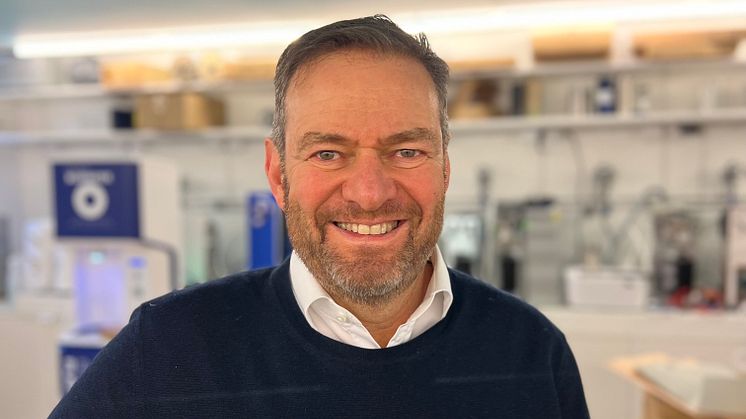
"For many years, most attention was on oceans filled with bottles and bags,"" says founder and CEO Bengt Rittri. "Now, that focus is changing as scientists find a mix of contaminants in both tap and bottled water. These include PFAS, also known as ‘forever chemicals’, microplastics, pharmaceutical residues, and plastic additives such as DEHP, which stands for stands for di(2-ethylhexyl) phthalate." DEHP is commonly used plasticiser, a type of phthalate used to make plastics like PVC more flexible.
These substances do not end up in water by chance. Drug residues pass through wastewater systems, which were never designed to filter them out. Phthalates can leak from plastics during manufacturing and packaging. As a result, people are exposed to these chemicals all the time, often without realizing it, and it is becoming harder to avoid.
There are some simple ways to reduce exposure in daily life. For example, using home water filters certified to remove PFAS and other contaminants can help. Choosing glass or stainless steel containers instead of plastic bottles and avoiding microwaving food in plastic may also reduce the risk of unwanted chemicals. Being aware of product labels and supporting brands focused on safer materials and cleaner water can make a practical difference.
“We’ve spent years focusing on plastic waste, and that conversation matters,”said Rittri. “But it’s only part of the picture. The bigger question is: what are we actually drinking? People deserve a clear answer and real alternatives.”
The science is still developing, but the trend is clear. Some studies have linked certain PFAS to effects on the immune system and hormones. Other contaminants, such as traces of pharmaceuticals and phthalates, are being scrutinised for their possible impact on the body’s endocrine system. Microplastics, now found everywhere from mountain snow to tap water, add even more uncertainty.
While the prolonged health effects of plastics and the chemicals found in them are not completely understood yet, many experts agree that even low levels of these substances could raise concerns over time.
Regulation is starting to catch up, but progress is uneven. In 2024, the U.S. Environmental Protection Agency (EPA) set a four parts per trillion limit for PFOA and PFOS, among the strictest standards in the world. While the European Union now requires its member states to monitor PFAS levels in drinking water and says they meet new, binding limit values, the UK relies on guidance rather than a single enforceable rule, for example. And in many parts of Asia and Africa, regulations are still being developed or are inconsistent.
For consumers, this is no longer a far-off policy debate. Filtration technology has moved on quickly. Systems based on reverse can strip out a wide range of unwanted substances. This happens at the point of use, shifting control closer to the tap. Other common filtration methods, such as activated carbon and basic pitcher filters, can reduce chlorine taste and some organic chemicals, but may not remove contaminants like PFAS, lead, or microplastics as effectively as reverse osmosis systems. By recognizing these differences, consumers can make more well-informed choices for their homes and families.
Bluewater has focused its business on this change. Its purification systems use advanced, multi-stage filters, including its own SuperiorOsmosis™ and LiquidRock® tech, which removes contaminants but keeps the water tasting good by remineralising the water. The company is also rethinking how drinks are made. By using purified water closer to where it is consumed, Bluewater reduces both chemical exposure and packaging waste.
This change is already happening. Refill stations are becoming more common. Cities are trying out new standards. More households are starting to ask tough questions about water quality, not only about cost or convenience, and installing water purification systems.
Bluewater believes Earth Day should bring these issues together. Clean water is connected to health and wellbeing, the environment, and daily life. It is moulded by both personal choices and infrastructure.
Rittri puts it simply: “What’s hidden in our water matters more than ever. We can’t ignore it.”
Editor’s note
Earth Day began in 1970 as a US-led protest movement. In 2026, it mobilizes global action on climate, pollution, and the protection of natural resources.
Press enquiries to: David Noble, chief communications officer, at david.noble@bluewatergroup.com
About Bluewater
Founded in 2013 in Stockholm, Sweden, Bluewater aims to be the world’s most planet-friendly water purification and beverage company. The company designs hydration solutions for home, work and public settings, with products used by consumers, hospitality businesses, venues, events and educational institutions worldwide. Bluewater has received multiple international design and innovation awards, including two Fast Company World Changing Ideas Awards and a 2024 and 2025 GOOD DESIGN® Award. https://www.bluewatergroup.com.
Topics
Categories
Founded 2013 in Stockholm, Sweden, Bluewater has set its sights on being the world's most planet-friendly water purification and beverage company by innovating and marketing disruptive hydration solutions for home, work, and play. Bluewater products are available globally to consumers, hotel and catering operations, event and venue organizations, and educational institutions. www.bluewatergroup.com [IG1]