Press release —
Clean energy and clean water must go hand in hand”: Bengt Rittri calls for a secure water future
Bluewater ecopreneur founder urges Climate Week NYC leaders to prioritise safe drinking water as pollution, extreme weather and industrial demand threaten supplies
STOCKHOLM, 20 September 2026 — Swedish environmental entrepreneur Bengt Rittri, founder and CEO of Bluewater, today urged leaders gathering for Climate Week NYC to put a secure water future at the heart of climate action, alongside the transition to clean energy.
“Clean energy and clean water must go hand in hand,” Rittri said. “Today’s decisions about energy, industry and infrastructure will shape the water available to our children. Governments must protect supplies, tackle pollution and make safe drinking water accessible to everyone.”

As the gathering opens alongside the UN General Assembly, Rittri called for measurable commitments to water quality, reliable supplies and affordable access. Climate Week NYC
The challenge reaches across borders and income levels. WHO and UNICEF estimate that 2.1 billion people lacked safely managed drinking water in 2024 — water available at home, when needed, and free from contamination.
Wealth offers no automatic protection. A 2023 US Geological Survey study estimated that at least one PFAS chemical it examined could be present in around 45% of US tap water. European monitoring has also documented widespread pollution of water bodies by PFOS, one of the persistent PFAS “forever chemicals”.
Pharmaceutical pollution spans continents: researchers sampling rivers in 104 countries detected 34 pharmaceuticals in Hong Kong’s Kai Tak River alone. Microplastics have been found in tap and bottled water, although their health effects remain under investigation. These findings concern different water sources; they do not mean every drinking-water supply is unsafe.
“Every family should be able to trust the water they drink,” Rittri said. “Delivering that basic right takes clear standards, sustained investment and accountability for polluters.”
Availability is under pressure too. WWF warns that overuse, pollution and climate change threaten freshwater systems, with rivers, lakes and aquifers drying up or becoming too polluted to use.
Data centre expansion adds demands policymakers must anticipate. Facilities use water for some cooling systems and indirectly through electricity generation and semiconductor manufacturing. Local impacts depend on their design, location and resource supplies.
“Before approving water-intensive development, governments must establish where the water will come from, what happens during drought and how household supplies will be protected,” Rittri said.
He urged governments to pursue four priorities:
- Plan for a secure water future: Set targets and budgets for safe drinking water, drought preparedness and freshwater protection.
- Prevent pollution: Strengthen discharge controls, make polluters contribute to clean-up and publish clear water-quality information.
- Invest in access: Repair leaks, upgrade treatment and deploy verified purification solutions, prioritising underserved communities.
- Hold major users accountable: Require water-intensive industries, including data centres, to disclose demand and reduce pressure on local supplies.
Bluewater, a global award-winning innovator of water purification systems and beverage solutions for home, work and play, is extending its expertise into emergency response.
Its latest innovation is a portable emergency water purification station designed to supply up to 10,000 people with two litres of drinking water each per day to meet basic hydration needs. The station, which has already received its first order to supply its emergency station to the Swedish armed forces, removes contaminants including PFAS, microplastics, lead, bacteria, viruses, arsenic and chlorine from sources including rivers, lakes, ponds and brackish water.
Bluewater says its proprietary system gives first responders a practical way to deliver drinking water when humanitarian crises or catastrophic events disrupt supplies.
“A secure water future must include the moments when disaster strikes,” Rittri said. “Our portable system helps first responders deliver an essential resource people depend on to survive.
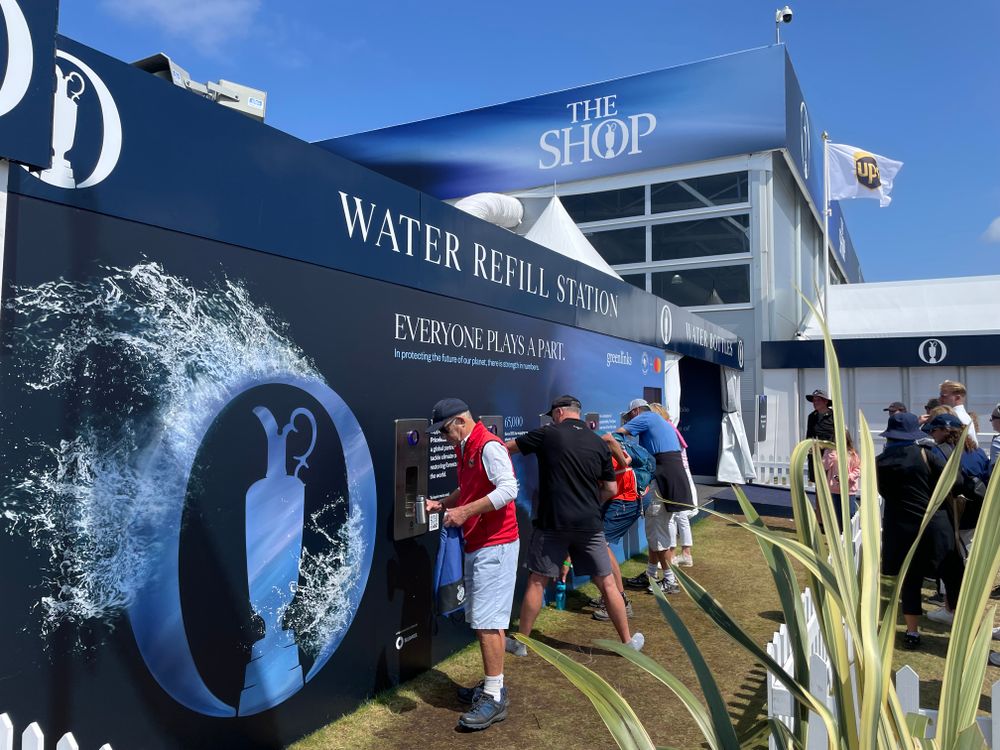
Bluewater’s international experience includes a drinking-water initiative for The Open and AIG Women’s Open golf championships, using purification and refill stations for fans, players and staff to reduce reliance on single-use plastic bottles.
“Innovation must go hand in hand with strong public water systems and protection of freshwater sources,” Rittri said. “Every government represented in New York should leave Climate Week NYC with a clear answer: what will it do next to protect its people’s right to clean water – and by when?”
ENDS
About Bluewater
Founded in Stockholm in 2013, Bluewater innovates and markets premium water purification systems and beverage solutions for home, work and play, improving clean drinking-water access and reducing reliance on single-use plastic bottles. bluewatergroup.com
Media contact
David Noble, david.noble@bluewatergroup.com | +44 7785 302 694
Topics
Categories
Founded 2013 in Stockholm, Sweden, Bluewater has set its sights on being the world's most planet-friendly water purification and beverage company by innovating and marketing disruptive hydration solutions for home, work, and play. Bluewater products are available globally to consumers, hotel and catering operations, event and venue organizations, and educational institutions. www.bluewatergroup.com [IG1]