
News —
Bluewater CEO urges EU countries to protect drinking water and use treated wastewater to cool data centres
Bengt Rittri calls for developers to disclose where their water will come from, how much they will need on the hottest days and how they will operate during a drought.
Stockholm, Sweden, November 25, 2026 – Bengt Rittri, founder and CEO of Swedish water purification and beverage company Bluewater, is calling on EU Member States to require new data centres to minimise their cooling water demand and use suitably treated wastewater wherever feasible. Where developers propose using drinking water for cooling, Rittri wants them to explain publicly why alternative sources cannot meet the site’s needs before authorities decide whether to approve the project.
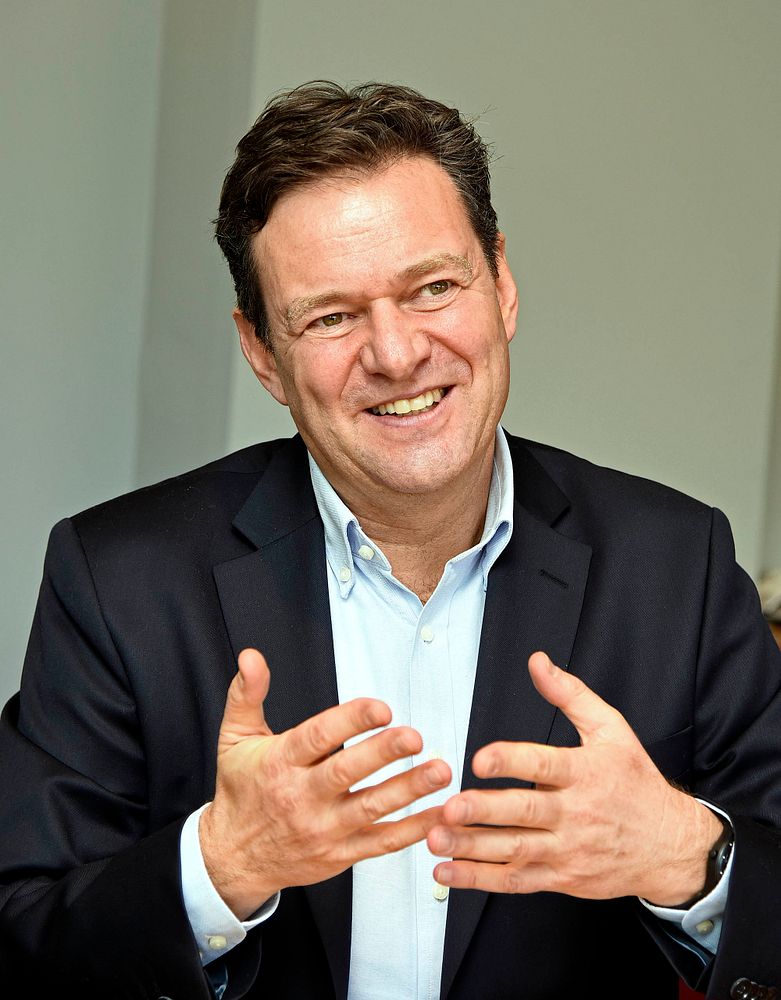
“Before a data centre is approved to use drinking water for cooling, people should be able to see how much it will need, where that water will come from and what happens during a drought,” Rittri said. “If suitably treated wastewater is available and can do the job safely, developers should use it.”
The European Environment Agency found that water scarcity affected 28% of EU territory and 32% of its population for at least one quarter in 2023. The agency identified seasonal pressure in river basins across the EU, including areas where public supply, energy and industry draw on the same resources, and noted that climate change is expected to further increase the frequency, intensity and impacts of drought events.
Public polling points to concern about how new facilities could affect those supplies. In 2025 polling conducted by Savanta for Beyond Fossil Fuels, 87% of respondents in Spain and 76% in Ireland expressed concern about the potential effect of new data centres on their own water supply. In a separate 2024 Eurobarometer survey across all 27 Member States, 78% of respondents backed further EU measures to address water-related issues.
EU rules already require operators of data centres with an installed IT power demand of at least 500 kW to report metrics including annual total and potable water input. But Bengt Rittri is calling for a further step at the planning stage. He says developers should publish the proposed water sources, expected annual use and peak-day demand for each site, alongside an explanation of how drinking-water supplies would be protected during prolonged dry weather.
“An annual figure can hide the day that matters most,” Rittri said. “When a river basin is already under pressure, the planning authority needs to know what the facility will draw during a heatwave and how it will reduce that demand if supplies tighten.”
European operators already have experience with alternatives to drinking water. At Eemshaven in the Netherlands, Google uses treated canal water for cooling and circulates it through the facility multiple times. Mr. Rittri also wants developers to assess the water associated with generating the electricity their facilities use, where reliable estimates are available, so authorities can compare cooling options more fully.
ENDS
Notes to editors
- The European Environment Agency estimates that groundwater supplies two-thirds of EU drinking water. Its 2024 assessment identifies nitrates and pesticides as major causes of poor groundwater chemical status. Europe’s State of Water 2024
- The European Commission’s Water Resilience Strategy sets an EU-wide objective to improve water efficiency by at least 10% by 2030. European Water Resilience Strategy